Dr. Affie Adagio: Humanist Civil Marriage Celebrant
PO Box 617 POTTS POINT NSW 1335, L8/U7 1 Phillip St WATERLOO NSW 2017
mobile: 0421 101 163 email: affie@affie.com.au
website: www.affie.com.au
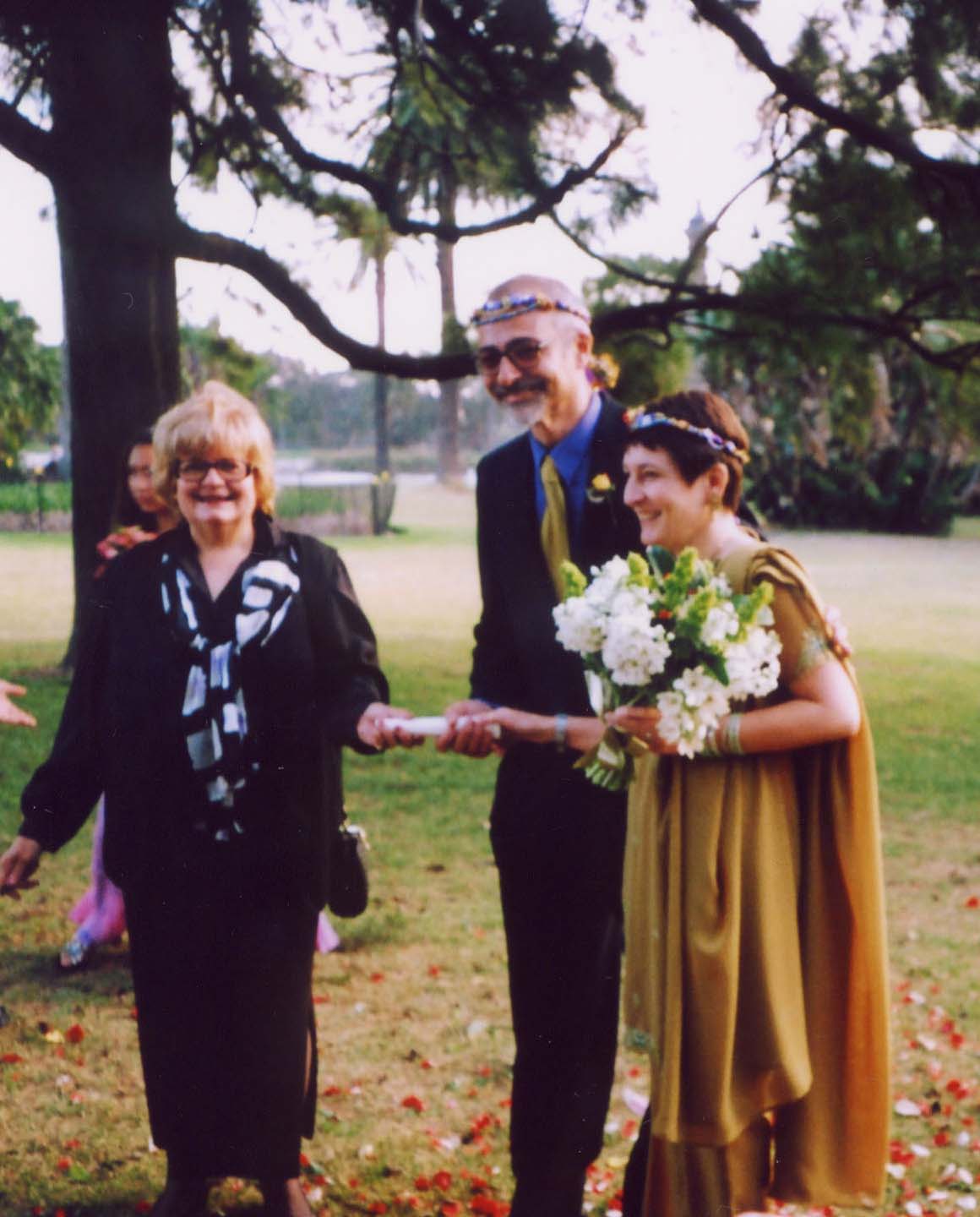
Humanist Civil Marriage Celebrant – Dr. Affie Adagio (Humanist Celebrant Network member) over 20 years experience carrying out legal official Australian marriages in Sydney and anywhere in Australia.
Happy couples from here and overseas have come and experienced my sensitive, romantic, realistic ceremonies without needing to use religious services. However should there be members of the family or friends who are religious then their needs may met, if the couple desires, by having someone else read some appropriate spiritual passages. The couple creates the ceremony with my assistance – Humanism also means being aesthetic among other important values.
When you come and prepare your Notice of Intended Marriage we plan your ideal marriage ceremony within your budget. I make sure you remember the customs and wedding etiquette, if you so wish. I have ideas of making your wedding day a ceremony you will always remember whether it is small or large.
You will need supportive information to make that important occasion take place smoothly and memorable because whatever happens on that day will need to be joyful as you will remember it all your life.
I am experienced at how you can do that. For more information also see Categories: Weddings
AUSTRALIAN BASIC WEDDING ETIQUETTE CHECKLIST (depending on which culture as to how appropriate this etiquette applies)
- Notice of Intended Marriage – Birth Certificate/Divorce/Death/Name Change/Notice of Intended Marriage documents need to be witnessed by Celebrant 1 month prior to Ceremony and appropriate documents should be signed.
- Reception Centre booked/ flowers, couple’s wedding rings (optional) and Maids presents are ordered and paid for usually by the groom, Bridal outfits and payment organised (Maids usually pay and keep their own outfits nowdays unless the parents of the couple are in a position to do so). Bridal Dress paid by bride’s family.
- Bridal Party chosen – Best Man, Matron of Honour, Bridemaids or Attendants (gifts to be given to Maids)Page Boys, Flower Girls (for large weddings)
- Ceremony, music, Bridal Party participants (all optional) to be chosen, Celebrant could assist with decision making process
- Outfits can be discussed with Celebrant and assist in the choosing if desired – Bride has right of choice as it is her special day. Consideration to be given to Buck’s and Hen’s night and warnings taken if taking place.
- No. of Guests and at least 2 witnesses over 18years of age to be ensured.
- Photographer, Video operator and Hairdresser to be arranged,
- Driver to be arranged for the Groom and Bride to their Honeymoon accommodation.
- Honeymoon trip organised (if appropriate)
- accommodation for after the marriage
- Any possible difficulties arising they wish to deal with? If complicated , have they arranged to see someone professionally suitable yet an made an appointment, that would be an important start.
- What arrangements have been made so that all accounts are paid while they are away?
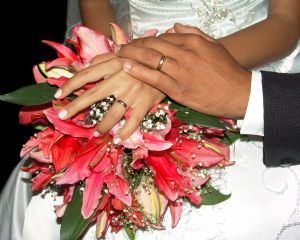
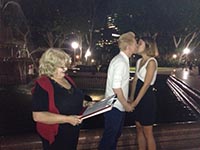
The ceremony can be as small as Bride, Groom, Celebrant and 2 witnesses carried out anywhere i.e. in a lounge room, back garden, steps of the Opera House, Royal Botanic Gardens with views of the Harbour Bridge and the Opera House in the background, on a Ferry, a beach, in a National Park and so on. Or the ceremony can take place in a Reception Hall full of many, many guests; or on, say, an island or in the garden of Observatory Hill and so on – it all depends on the couple’s imagination, dreams and budget. My son Paul and daughter-in-law Nella were married in the Reception Centre at the front of the Sydney Opera House overlooking the Harbour Bridge years ago .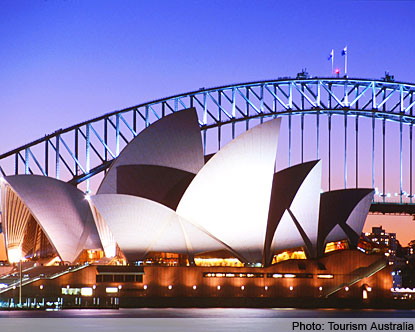

Humanist Funeral & Naming Celebrant
Another service I carry out is a Humanist Funeral Ceremony and that is prepare with the loved ones who have the chance to tell their story and have closure a final time.
Naming Ceremonies are meaningful and enjoyable so the children may enjoy the moment, and the ceremony not only needs to be fun but short enough for the child to ‘not throw the celebrant and guests’ out due to boredom!

One thought on “Celebrant”